

 TARRANT COUNTY, TX

Debt Claim and Small Claim Cases
Where are you in the process?


Other Case Types
Other Resources
Debt Claim and Small Claim Cases
What is a Debt Claim?
A debt claim case is a lawsuit brought to recover a debt by an assignee of a claim, a debt collector or
collection agency, a financial institution, or a person or entity primarily engaged in the business of lending
money at interest. Debt claim cases in justice court are governed by Rules 500-507 and 508 of Part V of
the Rules of Civil Procedure. To the extent of any conflict between Rule 508 and the rest of Part V, Rule
508 applies.
What is a Small Claim?
A small claims case is a lawsuit brought to recover money damages, civil penalties, personal property,
or other relief allowed by law. Small claims cases are governed by Rules 500-507 of Part V of the Rules of
Civil Procedure.
Jurisdictional Limits in Justice Courts
- Justice Courts have jurisdiction over civil matters in which the amount in controversy does not exceed $20,000.
This limit excludes statutory interest and court costs but includes attorney fees, if applicable.
- To determine the closest Justice Court Precinct for your case, please
visit Tarrant County Comprehensive Address Information Directory. - For information on Justice Court Rules, forms, procedural standards, and each courts local rules,
please visit the please visit Texas Judicial Branch Rules and Forms webpage.
Additional guidance, including filing procedures, case types commonly heard in Justice Courts, and court contact
information, may be found on the Tarrant County Justice Court website or by contacting your local precinct office.
Justice Court Civil Case Process
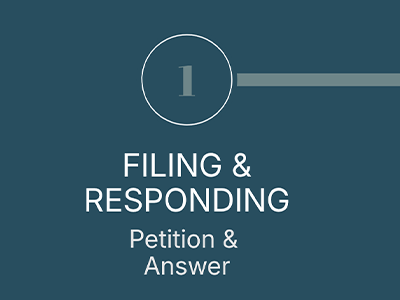 | 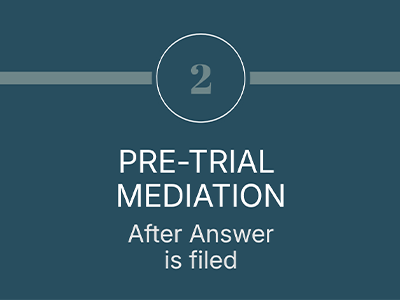 | 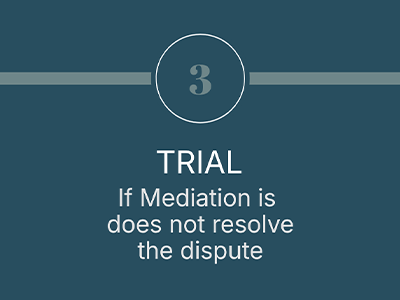 | 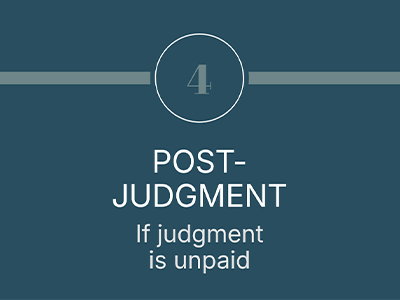 |  |

I Want To File A Case
1. File your petition
- To start a debt or small claim case, filers must submit a Petition along with a Military Affidavit and, when needed, a Certificate of Last Known Address. These documents ensure the court has the information required to open the case, verify whether the defendant is protected under the Servicemembers Civil Relief Act, and confirm the correct address for legal notices. Filing all required documents at once prevents delays, ensures legal compliance, and allows the court to proceed properly with the claim.
- Debt Claim Petition
- Small Claims Petition
- Military Affidavit and Certificate of Last Known Address (if applicable)
- Please visit Single Record Request to verify Active Duty Status to provide proof of Military status.
2. Pay the filing fee
- The filing fee covers the court’s administrative costs to open and process the case, while the service fee pays for the constable to deliver the citation and legal documents to the defendant, ensuring they receive official notice of the lawsuit.
- $54 filing fee – Covers the court’s administrative cost to open and process your debt claim case.
- $90 service fee (per defendant) – Pays the constable to serve the citation and officially notify the defendant of the lawsuit.
3. Important Information Regarding Exhibits
- Although not required at the time of filing, it is encouraged that you include any exhibits you might have to prove your case with your initial filing.
A Case is Filed Against you
1. What is a Debt or Small Claim
- If a debt claim case has been filed against you, it means a creditor or debt collector is suing you to recover an alleged debt.
- If a small claims case has been filed against you, it means someone is suing you to recover money or property in a simplified court process designed for minor civil disputes.
You will receive a citation from the court explaining the lawsuit and your answer due date. It’s important to review all documents carefully and respond on time.
2. How to File your Answer with the Court
- What an Answer Is: An Answer is a document you can file to let the court know you received the lawsuit and want to participate in the case by disagreeing with the claims and requiring the plaintiff to provide proof. It must be filed within 14 days of being served, or on the next business day if the deadline falls on a weekend or holiday.
How to File an Answer:
- Submit the Answer form to the same Justice Court listed on the paperwork you received. To file an answer with Justice Court, Pct. 1 click on File my Answer below.
3. What is next?
- Justice Court, Pct. 1 believes mediation is a valuable opportunity for parties to resolve their case and therefore schedules Pre‑Trial Mediation once an Answer is received. After the court receives your Answer, the mediation date will be set, and a notice will be sent to the email you provided; if no email is on file, the notice will be mailed to your address.

Self-Represented Litigants (Helpful Information)
The Court provides self‑help packets to help you understand the process and prepare your defense, including what to expect at your hearing and how mediation may help resolve the matter.
In Court Pre-Trial Mediation
Mediation is a voluntary process where a neutral attorney helps both parties communicate, explore options, and work toward a settlement that both sides find acceptable. It supports the state’s policy of encouraging peaceful dispute resolution and early settlement outside of court. Through mediation, parties can openly discuss all issues and create practical solutions—such as agreeing on the amount of a debt and setting up a workable payment plan, allowing them to maintain control over how their case is resolved.
This differs significantly from a trial, where a judge issues a ruling that may leave both parties dissatisfied and often provides less flexibility. In many cases, both sides walk away from a trial feeling like they’ve lost. Mediation avoids that outcome by giving parties the opportunity to reach mutually agreeable terms and settle their dispute in a way that fits their specific circumstances.
Pre-Trial Mediation FAQ
Important Communication
All court communications are conducted electronically. Notices, copies, judgments, and documents
from the Court will come from JP1court@tarrantcountytx.gov. Add this address to your contacts to
avoid missing important notices.
Information provided here is intended to assist litigants in understanding and accessing the court
system. This material does not constitute legal advice, and the court does not guarantee the
accuracy, completeness, or current status of the information provided.